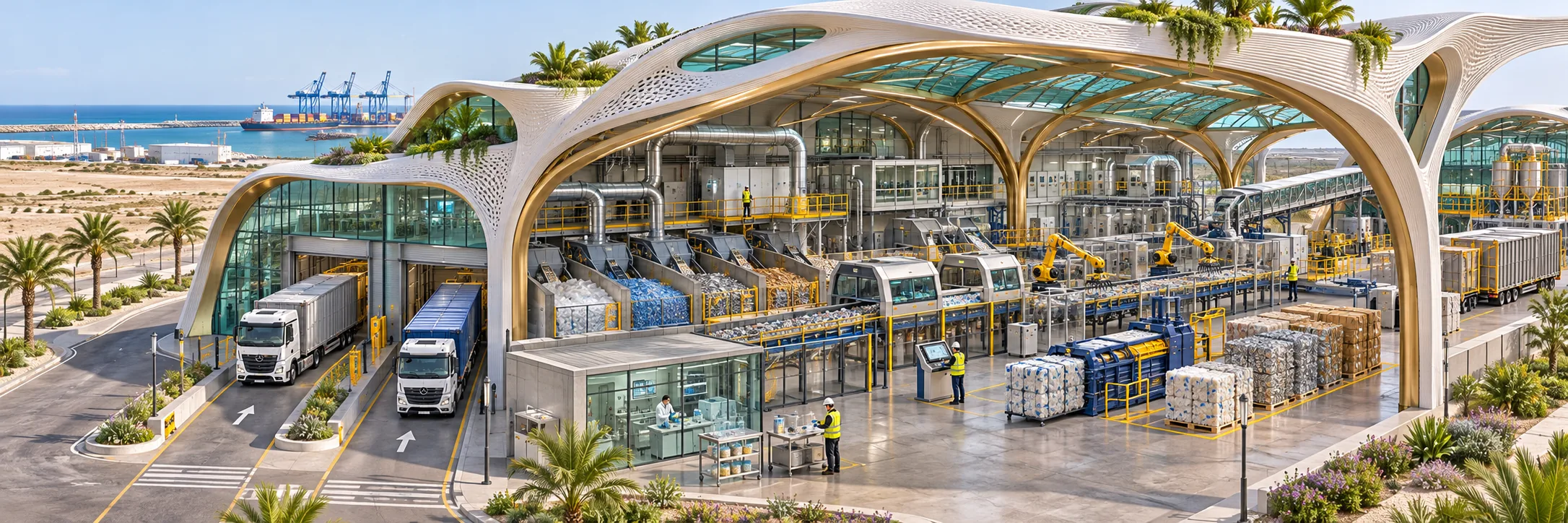
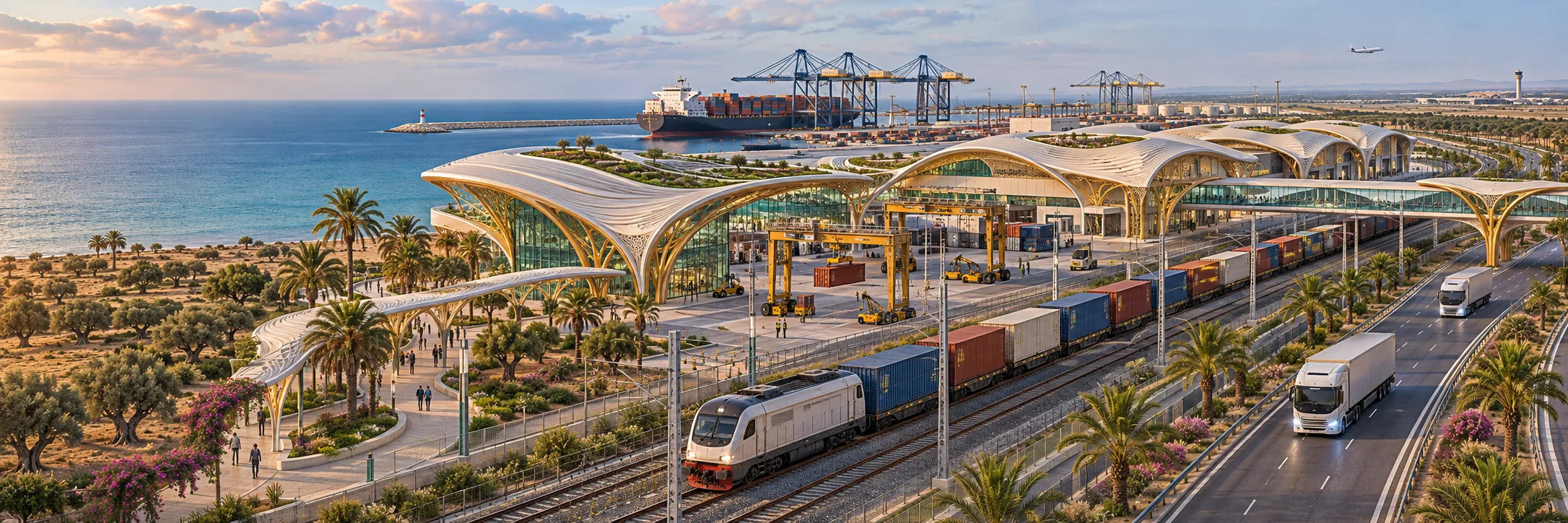
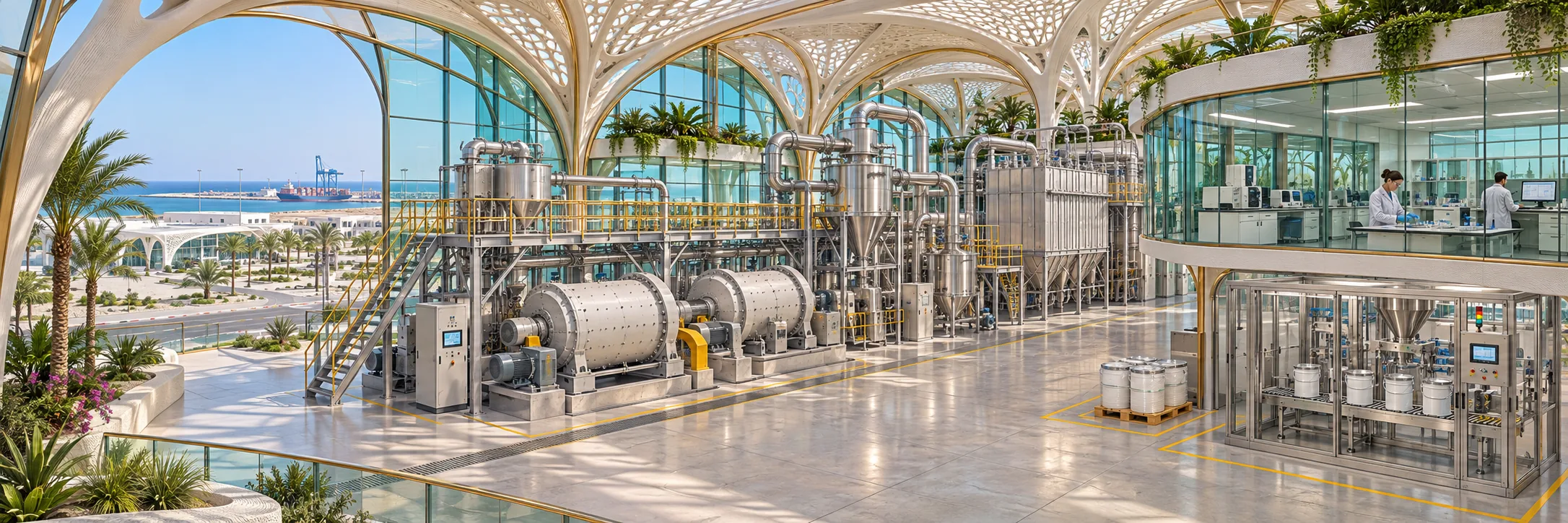
Establish the reception and preparation systems that connect selected incoming material streams with the waste-to-nanopowder industrial centre. The owner’s programme places advanced recovery beside the harbour so maritime logistics and materials manufacturing can work together. This phase develops the intake, identification, sorting, preparation and internal-transfer functions required before milling and refinement. Enclosed industrial halls, organised service routes and clearly separated material flows form the physical foundation for the next stage of production and for the campus’s future additive-manufacturing supply chain. The harbour is intended to provide a collection and processing point for Africa-bound waste shipments, connecting maritime reception with the adjacent high-technology materials industry.
Scope of delivery
Establish harbour reception and recovery routes for waste shipments serving African maritime corridors, directing recoverable materials into preparation and nanopowder processing.
Install sorting, preparation and internal-conveyance systems matched to the selected feedstocks and downstream equipment.
Coordinate enclosure, filtration, cleaning and utility services with the operation and maintenance of the recovery halls.
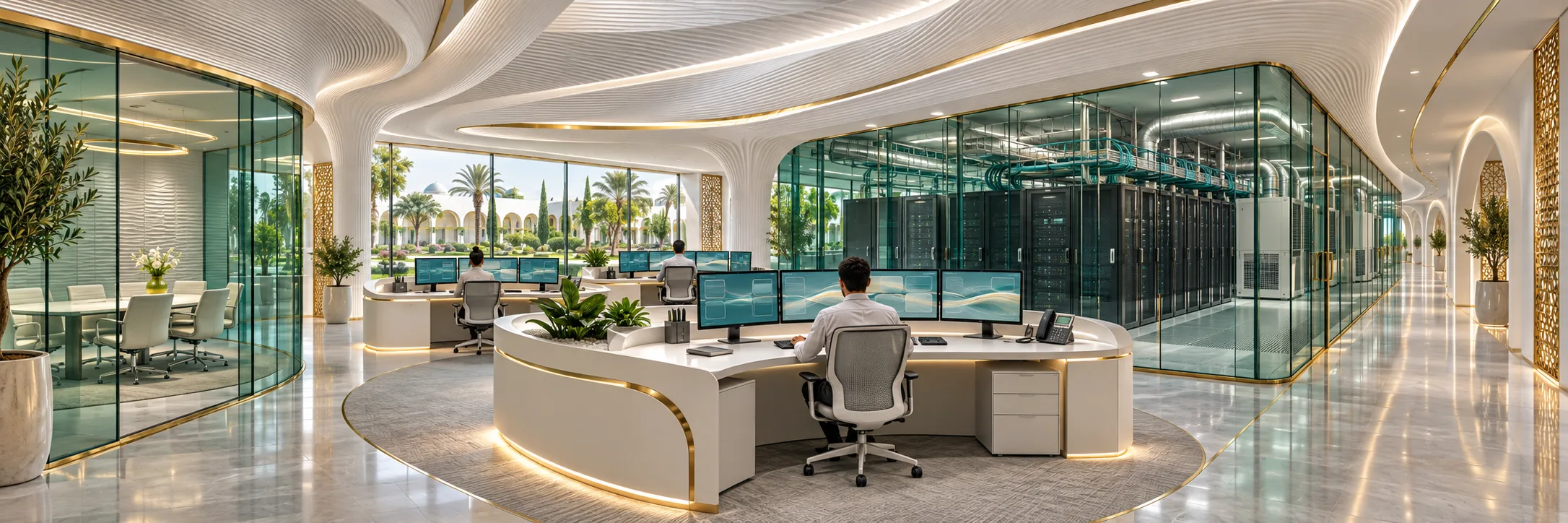
Establish material records connecting each received consignment with preparation, processing and onward movement.
What this phase hands over
A functioning reception layout with defined material routes, storage areas and handling responsibilities.
Installed preparation systems connected to their controls, services, maintenance access and downstream transfer points.
Feedstock specifications and operating instructions linking reception conditions with the processing requirements.
Material-identification records supporting production planning, quality work and dispatch of recovered fractions.
Additional construction view · Milestone 08
The work behind the investment.
Material reception and recovery. This large construction view develops the work package within the expanded harbour and AVIS industrial-park masterplan.
Milestone 08 · Material reception and recovery · AVIS construction development
Construction payment 08 · 10%€250,000,000
AVIS-TN-08 Main construction investment including the harbour
Start the industrial process with a defined description of the material entering it. Identification, weighing, sampling and assigned storage support consistent preparation. The reception system records where each consignment moves and which downstream process is intended to use the prepared fraction.
Preparation before refinement
Sorting and preparation determine the quality of the feed entering the milling systems. Match equipment and handling methods to the selected materials, and design the connections between each operation. Provide clear routes for recovered fractions, residual streams and materials directed to another suitable process.
Architecture shaped by production
The AVIS recovery halls combine an expressive exterior with practical industrial interiors. Structure, roof services, maintenance galleries and vehicle access follow the working process. Robotic construction and prefabricated service modules support the programme’s design language while keeping the equipment accessible.
Execution logistics
Connect the work.
Coordinate vessel and truck arrivals with available receiving capacity and the needs of the preparation lines. Keep incoming consignments, recovered fractions and outbound products on clearly defined routes. Provide direct maintenance and cleaning access to the equipment without obstructing the principal material-transfer paths.
Delivery interfaces
Milestone & handover
Recovery milestone: material reception and preparation lines are handed over with their feedstock and operating specifications.
Site services and the released transport interfaces provide the access and material-transfer connections for the recovery halls.