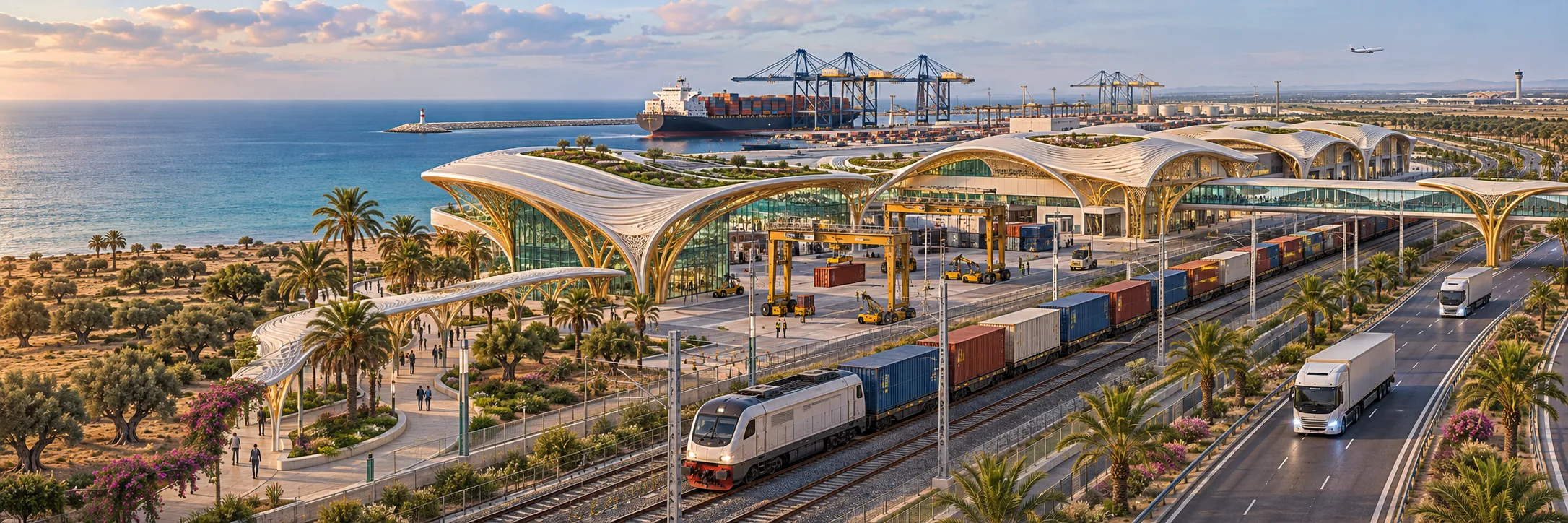
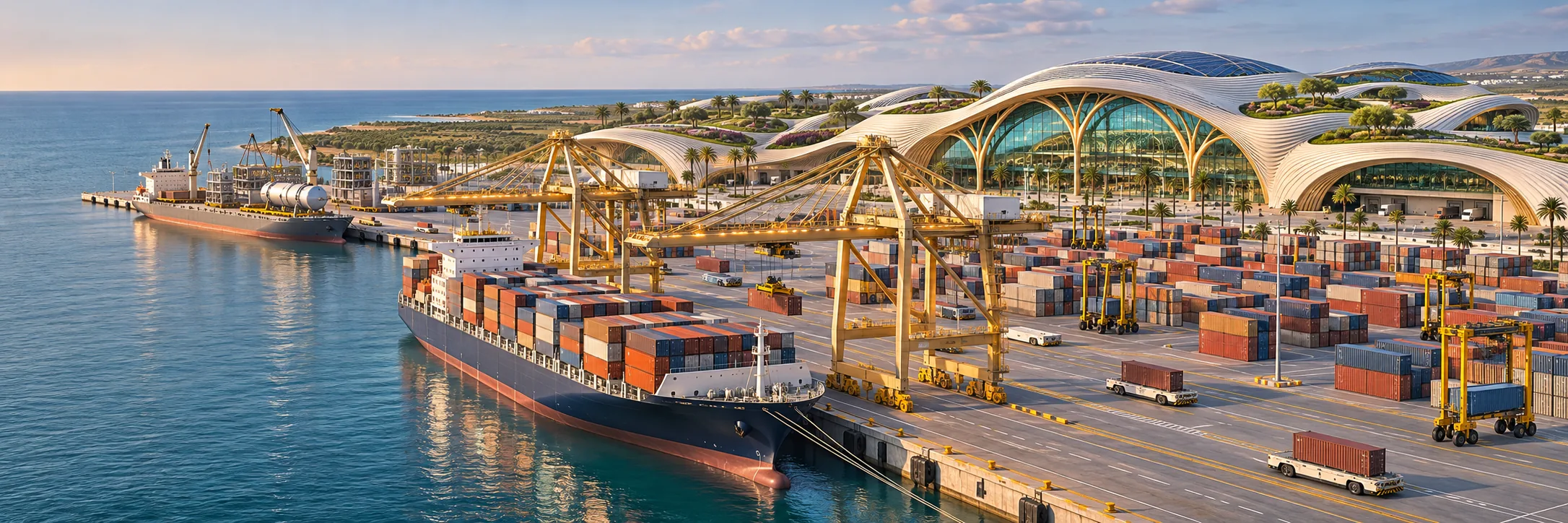
Build the transport interfaces that make the harbour a useful gateway between maritime routes, Tunisian industry and wider African and Mediterranean markets. Rail sidings, truck circulation and cargo-transfer facilities connect the terminals with the industrial centre. The Enfidha-Hammamet airport link forms part of the supplied multimodal development concept for time-sensitive freight. This phase concentrates on coherent routes, cargo handling and operational coordination so each transport mode supports the overall journey from ship to production, storage or onward distribution.
Scope of delivery
Develop freight rail interfaces, sidings and transfer areas around the terminal and industrial operating requirements.
Construct truck entrances, internal roads, waiting areas and loading routes with clear traffic separation.
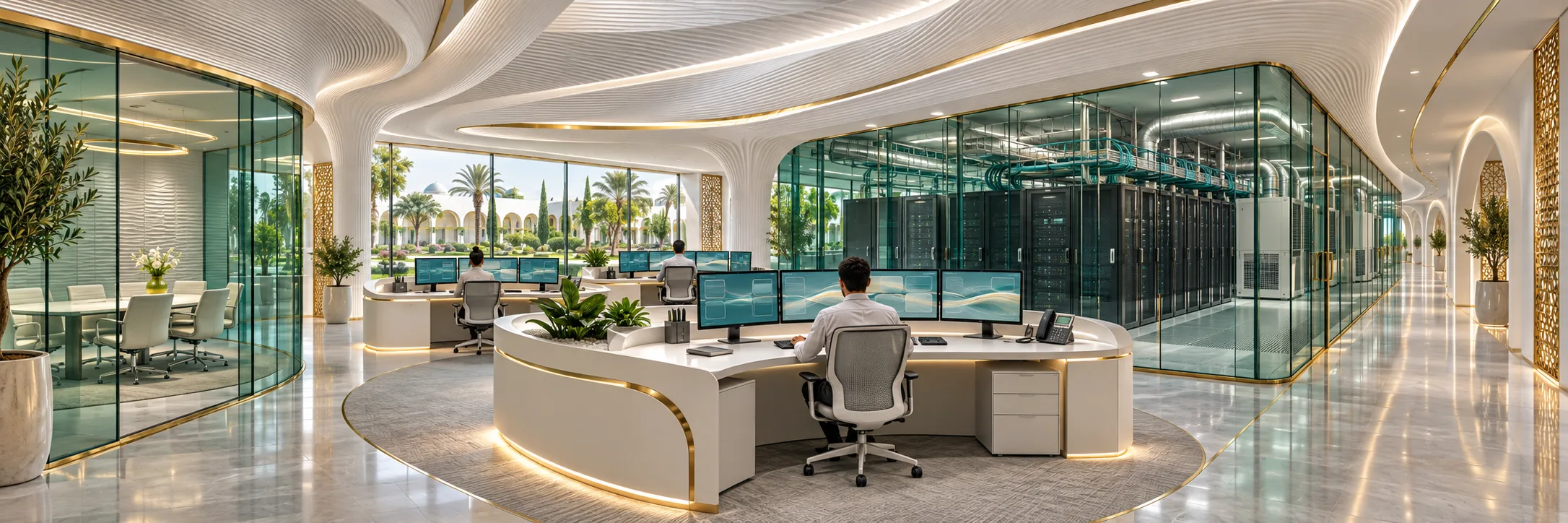
Organise the cargo and information interfaces supporting airport-linked logistics and time-sensitive industrial consignments.
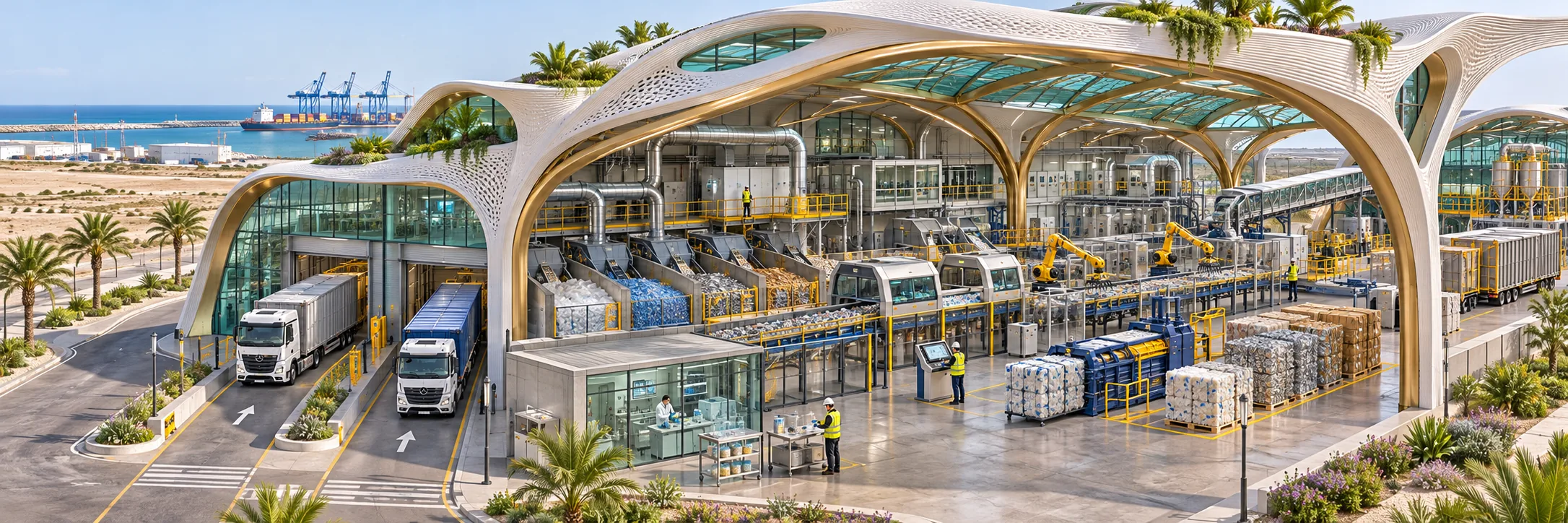
Connect transport operations with terminal dispatch, industrial reception and the maintenance of vehicles and handling equipment.
What this phase hands over
Defined freight routes linking marine terminals, industrial halls, cargo-transfer areas and the external network.
Rail and road interfaces with the civil, equipment and service provisions needed for their operating functions.
A transport-interface register covering shared crossings, access responsibilities and maintenance arrangements.
Additional construction view · Milestone 07
The work behind the investment.
Rail road and airport interfaces. This large construction view develops the work package within the expanded harbour and AVIS industrial-park masterplan.
Milestone 07 · Rail road and airport interfaces · AVIS construction development
Construction payment 07 · 12%€300,000,000
AVIS-TN-07 Main construction investment including the harbour
Design the connections around actual movements: a container from quay to train, a manufacturing module from ship to assembly hall, or a time-sensitive consignment to air cargo. Each transfer needs space, equipment, identification and responsibility at both ends of the interface.
Road and rail without conflict
Freight operations work best when crossings and waiting areas are planned as part of the system. Separate pedestrian access from heavy vehicles and define the interaction between trucks and rail. Provide maintenance access that does not depend on occupying the main cargo routes.
Industrial and regional distribution
Connect the port’s transport system with the production campus and its dispatch requirements. Finished components, qualified materials and pharmaceutical consignments have different handling needs. The logistics plan assigns suitable transfer routes and operating procedures while preserving the programme’s common shipment references.
Execution logistics
Connect the work.
Protect freight corridors during building and terminal construction. Sequence rail installation, road surfacing and service crossings so completed infrastructure remains accessible. Plan the movement of oversized manufacturing equipment through the same network, including turning space, load limits and lifting interfaces at its destination.
Delivery interfaces
Milestone & handover
Transport milestone: usable intermodal routes connect terminal activity with industrial reception and regional distribution.
Enabling infrastructure and the terminal structural layout establish the corridors and transfer points used by this phase.